Boynton Beach Roofing Contractor for Tile, Metal & Hurricane-Ready Roofs
In Boynton Beach, a roof deals with a lot. Summer afternoons bring sudden downpours, the UV index sits at 10 or higher for months, salt air drifts in off the Atlantic and the Intracoastal, and hurricane season runs six months of the year. That combination wears out tile underlayment, sealants and metal flashing long before most homeowners expect, and the first sign is usually a stain on the ceiling. Boynton Beach Roof Masters repairs and replaces tile, shingle, metal and flat roofs for homeowners and condo associations, and we build every roof to current Florida Building Code wind requirements.
Most of the roofs we work on sit on 1960s–1980s concrete-block homes, gated communities in west Boynton, or salt-exposed houses in Ocean Ridge and Hypoluxo. Our crews also work in Lantana and Delray Beach, so we deal with several different building departments and HOA review boards every month. We file the permits, get tile color and profile approved by your HOA, and send you photos at every stage. When the work is done, you get wind mitigation documentation you can hand to your insurance company.
- ✓Bonded
- ✓Fully insured
- ✓Financing available
- ✓Built to current Florida Building Code wind requirements
- ✓Permits and HOA approvals handled for you
- ✓Wind mitigation documentation provided
- ✓Photo updates throughout your project
Request Your Free Estimate
No obligation. Fast, honest quotes.
Thank you — your request was sent!
A member of the Boynton Beach Roof Masters team will reach out shortly. Need help now? Call (561) 677-8405.
Why Boynton Beach Roofs Need a Local Roofing Contractor
Roofs in southeastern Palm Beach County don't fail the way they do up north. Heavy rain, constant UV, salt spray and hurricane-force wind wear them out, and so does a housing stock built mostly before Florida's modern wind code. Here's what that means for your home or condo building.
Climate: 60 Inches of Rain, Extreme UV and Hurricane Winds
Boynton Beach gets roughly 60 inches of rain a year, and most of it arrives between May and October in short, intense afternoon thunderstorms. A downpour like that finds a cracked tile, a lifted flashing seam or a clogged scupper within minutes. From June through September, highs sit around 90°F, nights stay in the upper 70s, and the summer UV index often runs 10–11+. That sun breaks down shingles, modified-bitumen cap sheets and sealants quickly, so a shingle roof marketed as a 30-year product often lasts far less here. Humidity feeds black algae on shingles and mildew on concrete tile, especially on north-facing slopes. Coastal Palm Beach County is designed for winds of about 160–170 mph, and Frances, Jeanne, Wilma and Irma all showed how quickly an older roof fails in a storm.
Built Environment: Pre-2002 Homes, Tile Roofs and Flat Additions
Most homes here went up during the 1960s–1980s retiree and suburban boom. The typical house is concrete block and stucco with a hip or gable roof covered in concrete tile, clay barrel tile or architectural shingles. Many houses built before the 2002 Florida Building Code have small nails spaced far apart in the roof deck, trusses that are toe-nailed instead of strapped, and no secondary water barrier. Tile usually lasts 40+ years, but the underlayment beneath it typically fails at 20–25 years, which causes hidden leaks and rotted decking. Older ranch homes often have flat-roofed Florida rooms, carports or additions that pond water where they join the pitched roof. Villa and condo communities west of I-95, such as Leisureville, have long runs of attached roofs that associations usually replace as a single project.
Regulations: Permits, HOAs, Insurance and Condo Safety Laws
Re-roofs and most repairs need a permit. Which office issues it depends on the property: the City of Boynton Beach Building Division, Palm Beach County for unincorporated areas like Canyon Lakes and Valencia, or the town's own building department in places like Ocean Ridge, Gulf Stream or Delray Beach. Every product needs a Florida Product Approval number, and jobs over about $2,500 need a recorded Notice of Commencement. A re-roof generally triggers deck re-nailing and a secondary water barrier. Under SB 2-A, insurers can't refuse a policy just because the roof is under 15 years old, but older roofs often need an inspection to keep coverage. HOAs, Gulf Stream's architectural review and local historic programs can all restrict tile color and profile. Since Surfside, condo buildings of three or more stories need milestone inspections and SIRS reserve studies, and both include the roof.
Common Roofing Problems in Boynton Beach and Palm Beach County
Most roof problems we see around Boynton Beach come from the same few local causes: aging underlayment, salt corrosion, UV damage and wind. Knowing the warning signs helps you catch a $600 repair before it turns into a $20,000 deck replacement. They're listed here roughly by how often we see them.
Failed Tile Underlayment Serious
On concrete and clay tile roofs, the tile mostly sheds sun and water, but the felt or synthetic underlayment beneath it is what actually keeps the house dry. When that layer cracks, shrinks or tears, water passes through the tile and soaks the wood deck underneath.
Why it's common hereThousands of Boynton Beach tile roofs were installed in the 1980s through early 2000s, which puts their underlayment at or past the 20–25-year mark when it typically fails. Attic temperatures well above 140°F in summer bake the felt, and heavy wet-season storms push water under tiles over and over. Because the tile still looks fine from the street, owners often assume the roof is sound until rot spreads across the deck. Insurers also look closely at tile roofs of this age.
Signs you'll notice- Ceiling stains that show up after heavy afternoon storms
- Musty smell or damp insulation in the attic
- Daylight or dark, wet decking visible from the attic
- Slipped or sliding tiles along the eaves
- Soft spots when walking the roof
- Leaks that return after a 'repair'
Common in 1980s–1990s subdivisions and gated golf communities across west Boynton, Lantana and Greenacres. We find it most often around valleys, roof penetrations and the low edges of barrel-tile roofs, where water collects and runs under the tile.
Our fix: Lift and save reusable tile, replace damaged decking, install new self-adhered underlayment to current code, then reset the tile with proper attachment, or replace the whole roof if the tile is beyond saving.
Hurricane and Wind Damage Emergency
Strong wind gusts get under roofing edges, lift shingle tabs, break tile attachment and peel flat-roof membranes. Even a storm well short of a direct hit can crack ridge mortar, tear off flashing or open a gap in the dry-in that leaks during the next rain.
Why it's common hereCoastal Palm Beach County is designed for winds of roughly 160–170 mph, and hurricane season runs from June 1 to November 30. Frances, Jeanne, Wilma and Irma caused damage across the county, and tornadoes from Milton's outer bands hit western communities in 2024. Pre-2002 homes, which often have toe-nailed trusses and widely spaced deck nails, are the most vulnerable. Barrier-island homes that face open water fall under the stricter Exposure D wind rules.
Signs you'll notice- Missing, cracked or displaced tiles or shingles
- Ridge or hip caps loose or knocked off
- Bent drip edge or peeled flashing
- Shingle or tile debris in the yard
- New leaks after a tropical storm or squall line
- Lifted or wrinkled flat-roof membrane
After storms, damage is usually worst on the windward edges and hip ridges in Ocean Ridge, Gulf Stream and Hypoluxo. Inland, older Boynton Beach neighborhoods east of I-95 and western communities hit by tornadoes see the most lifted shingles and broken tile.
Our fix: Emergency tarping to stop water intrusion, photo documentation of the damage, and then repair or replacement built to current wind code. We document thoroughly but never offer incentives to file claims.
Salt-Air Corrosion of Flashing and Fasteners Moderate
Salt spray eats away at galvanized and low-grade metal: flashing, drip edge, vent stacks, gutters, fasteners and even the hurricane straps that tie the roof to the walls. Once the metal rusts through, water gets in at every joint.
Why it's common hereHomes near the Atlantic and the Intracoastal Waterway get salt-laden air every day, and humidity keeps that salt wet on metal surfaces. Standard galvanized flashing that would last decades inland can rust through in under 10 years on the coast. Many older roofs were built with ordinary fasteners rather than stainless or coated ones, so the parts that hold the roof together corrode before the roof covering wears out.
Signs you'll notice- Orange rust streaks running down tile or stucco
- Pitted or flaking drip edge
- Rusted-through pipe boots and vent stacks
- Corroded gutters and downspouts
- Leaks around chimneys, walls or skylights
- Visible rust on exposed fastener heads
Worst in Ocean Ridge, Briny Breezes, Gulf Stream, Highland Beach, Hypoluxo and Palm Beach. It's also common on Intracoastal-front homes in Boynton Beach and Lantana, where wind off the water carries salt spray straight onto the roof.
Our fix: Replace corroded flashing and accessories with marine-grade aluminum, stainless steel or coated metals and stainless fasteners, then reseal penetrations to stop water at the source.
Flat Roof Ponding and Tie-In Leaks Serious
Low-slope roofs over Florida rooms, carports, porches and additions drain slowly. Water that sits for more than 48 hours breaks down the membrane, opens seams and finds its way in where the flat section meets the sloped main roof.
Why it's common hereA lot of older Boynton Beach ranch homes have flat additions built decades ago with built-up roofing or modified bitumen and little slope. Wet-season cloudbursts drop inches of rain in an hour, which overwhelms clogged scuppers and drains. Intense UV then blisters and cracks the cap sheet, and the joint between the flat section and the tile or shingle roof is almost always the first place it fails.
Signs you'll notice- Standing water a day or two after rain
- Blisters, bubbles or alligatored surface
- Split seams or open laps
- Leaks along the wall where the addition meets the house
- Clogged or rusted scuppers
- Sagging ceiling in the Florida room
Very common on 1960s–1970s homes in east Boynton Beach, Lantana and Lake Worth Beach with Florida-room additions. It's also common on low-rise condo buildings in 55+ communities west of I-95, where long, flat roofs drain into a few scuppers.
Our fix: Repair seams and drains, add tapered insulation to improve drainage, rebuild the tie-in flashing, or replace the section with TPO or a modified bitumen system rated for Florida sun.
UV-Worn and Curling Shingles Moderate
Asphalt shingles slowly lose their protective granules, dry out and curl or lift at the tabs. Once the seal strips let go, wind can catch the edges and rain can be driven underneath.
Why it's common hereWith UV often at 10–11+ in summer, shingles here age much faster than their warranty suggests. Many shingle roofs in the area start curling, losing granules and lifting tabs at around 12–18 years. Heat and humidity also feed black algae streaks, which hold moisture against the shingle surface. Under SB 2-A, once a roof passes 15 years, insurers usually want an inspection before renewing.
Signs you'll notice- Curled, cupped or clawed shingle edges
- Granules piling up in gutters
- Black streaks on north-facing slopes
- Shingle tabs that lift in the wind
- Bare or shiny patches
- An insurer asking for a roof inspection
Typical of 1990s–2000s subdivisions in west Boynton, Greenacres and Wellington, where many builders used shingles instead of tile. South- and west-facing slopes usually wear out first.
Our fix: Spot-repair lifted or missing shingles if the roof is young; otherwise replace with architectural shingles installed with the high-wind nailing pattern and a code-required secondary water barrier.
Cracked Tiles and Loose Ridge Mortar Minor
Concrete and clay tiles crack from foot traffic, falling branches and impacts. The mortar along ridges and hips also shrinks and loosens over time, which leaves gaps and lets caps slide or blow off.
Why it's common hereA/C technicians, satellite installers and pressure-washing crews walk on tile roofs all over Boynton Beach, and every misplaced step can crack a tile. Daily heat cycles loosen old mortar, and gusty summer storms then dislodge the caps. Mildew growth on concrete tile in the humid climate makes cracks harder to see until a leak shows up.
Signs you'll notice- Visible cracks or broken tile corners
- Loose or missing ridge and hip caps
- Mortar crumbling into gutters
- Gaps along the ridge line
- Tile pieces on the ground
- Spot leaks near the ridge or valleys
Common on homes of every age, and especially after an A/C replacement or tree trimming. We see a lot of it on clay barrel roofs in Gulf Stream and older Mediterranean-style homes in Delray Beach.
Our fix: Replace broken tiles with matching profile and color, and reset loose ridges and hips with code-approved foam or mortar attachment so they hold in high wind.
Skylight and Chimney Leaks Moderate
Skylights, chimneys and other roof penetrations depend on step flashing, counter-flashing and sealant. When the metal corrodes or the sealant breaks down, water runs into the walls and ceiling around the opening.
Why it's common hereSealants degrade quickly under South Florida UV, and coastal salt corrodes the flashing metal. Heavy rain driven sideways by summer storms tests these joints far harder than ordinary rain does. Many older skylights in the area were installed with surface caulk instead of proper flashing kits.
Signs you'll notice- Drips or stains around the skylight frame
- Condensation or fogging between skylight panes
- Water stains on walls next to the chimney
- Cracked or missing sealant
- Rusted counter-flashing
- Peeling paint near the opening
Frequent in older homes in east Boynton Beach, Lake Worth Beach and Lantana, and in luxury homes with multiple skylights in Gulf Stream and Ocean Ridge.
Our fix: Remove failed sealant and corroded metal, install new step and counter-flashing or a manufacturer flashing kit, and replace the skylight if the unit itself is failing.
Roofing Services Built for South Florida Conditions
We don't recommend one roof type for every house. The right system depends on your home's age, how close it is to salt water, what your HOA allows and what you need for insurance. Below are our main services and how we apply each one around Boynton Beach.
Concrete & Clay Tile Roofing ⭐ Specialty
We install new tile roofs, replace failed underlayment under existing tile, replace cracked tiles and rebuild loose ridges and hips. We work with flat concrete tile, barrel S-tile and clay barrel tile.
Our approachSelf-adhered underlayment, deck re-nailing to current code, Florida Product Approved tile with foam or mechanical attachment, and corrosion-resistant flashing. When the tile is still sound, we salvage and reinstall it to save you money.
In Boynton Beach, FLTile is the dominant roof in Boynton Beach, and most HOAs in west Boynton gated communities and Gulf Stream require a specific profile and color. We get those approvals for you, and on barrier-island Exposure D homes we use the attachment those sites require.
Best for: Homeowners whose tile roof is past the 20–25-year underlayment mark, HOA communities with tile requirements, and anyone who wants a roof covering that can last 40+ years.
Standing Seam & Residential Metal Roofing ⭐ Specialty
We install and repair standing seam, steel and corrugated metal roofs, plus copper accents and metal-specific flashing, for homes and outbuildings.
Our approachConcealed-fastener standing seam panels, marine-grade aluminum or coated steel near the coast, stainless fasteners, and flashing designed for metal at every transition. All products carry Florida Product Approval.
In Boynton Beach, FLMetal is getting more popular here because it handles high wind and reflects intense sun. For Ocean Ridge, Hypoluxo and Briny Breezes properties exposed to salt spray, we choose alloys and coatings that hold up to it. Metal is also light enough for manufactured homes.
Best for: Coastal homeowners, people who want to cut cooling costs, and owners who want a long-lasting roof with strong wind performance.
Asphalt Shingle Roofing
We install architectural and 3-tab shingle roofs and repair lifted, missing or curling shingles.
Our approachHigh-wind-rated shingles installed with the manufacturer's high-wind nailing pattern, a secondary water barrier, new drip edge and algae-resistant granules to slow the black streaking common in our humidity.
In Boynton Beach, FLShingle roofs in Greenacres, Wellington and west Boynton often wear out in 12–18 years under Florida UV. We help you decide whether a targeted repair will carry the roof to its next insurance renewal or whether replacing it now makes more sense.
Best for: Budget-conscious homeowners, communities that allow shingles, and homes whose shingle roof is approaching 15 years.
Flat Roof Repair & Replacement (TPO, EPDM, Modified Bitumen)
We repair and replace low-slope roofs on Florida rooms, carports, additions and condo buildings, and we fix ponding and drainage problems.
Our approachTPO, EPDM and modified bitumen systems, tapered insulation to eliminate ponding, rebuilt scuppers and drains, and properly flashed tie-ins where the flat section meets the pitched roof.
In Boynton Beach, FLWet-season storms put a lot of water on a flat roof in a short time, and the tie-ins on older east Boynton and Lake Worth Beach additions are usually where it fails. Reflective white TPO also lowers heat buildup under our intense summer sun.
Best for: Homes with flat-roofed additions or porches, low-rise condo buildings, and any flat roof with standing water or recurring leaks.
Roof Repair, Leak Detection & Patching
We track down leaks and repair them: damaged shingles and tiles, skylights, chimney leaks, pipe boots and general storm damage.
Our approachWe trace water from the interior stain back to its source, check in the attic for wet decking and examine flashing up close. Then we make a lasting repair with matched materials, not just a surface patch.
In Boynton Beach, FLAfternoon cloudbursts often reveal leaks that never show up in light rain. Under the post-2022 rules, roofs built under the 2007 code or later can usually have just the damaged section repaired, so a lot of Boynton Beach owners can avoid a full replacement.
Best for: Homeowners with a single leak, recent storm damage, or a roof in otherwise good condition.
Roof Replacement & New Roof Installation
We do full tear-offs and installations on any roof type, with permits, inspections and Notice of Commencement filing handled for you.
Our approachFull removal down to the deck, deck repairs and re-nailing, secondary water barrier, new flashing and ventilation, and roof-to-wall retrofits when the code requires them. We schedule each day so the roof can be dried in before afternoon storms.
In Boynton Beach, FLRe-roofing a pre-2002 Boynton Beach home is the best chance to bring its storm resistance up to modern standards and earn wind mitigation credits for deck attachment, secondary water resistance and roof-to-wall connections.
Best for: Roofs past their service life, homes facing insurance renewal problems, and owners who want stronger hurricane protection.
Commercial & Condo Association Roofing
We repair and replace roofs on commercial buildings, condo buildings, and villa communities with attached roofs.
Our approachPhased project planning, communication with residents, TPO and modified bitumen systems for flat roofs, tile and shingle for attached villas, and documentation that supports your board and its reserve planning.
In Boynton Beach, FLMilestone inspections and SIRS requirements are pushing many associations in 55+ and gated communities west of I-95 to replace roofs. We coordinate a single association-wide project that keeps disruption to residents low.
Best for: Condo boards, HOAs managing attached villas, property managers and owners of small commercial buildings.
Emergency Roof Repair & Tarping
We tarp damaged roofs and make emergency repairs after hurricanes, tropical storms, falling trees and sudden leaks.
Our approachSecured tarping that limits further water entry, temporary dry-in, photo documentation of the damage, and a written plan for the permanent repair.
In Boynton Beach, FLDuring hurricane season, a damaged roof can take on water from several storms before a permanent fix is in place. Tarping quickly protects the ceilings, insulation and interiors of homes across Boynton Beach and nearby towns.
Best for: Homeowners with active leaks, storm-damaged roofs or openings from fallen limbs.
Inspections, Maintenance, Coatings & Ventilation
We do roof inspections, preventive maintenance, waterproofing and roof coatings, flashing and drip edge replacement, soffit and fascia work, ventilation upgrades and gutter guards. Slate, cedar shake and copper work is available too.
Our approachClose-up inspections with photos, elastomeric and reflective coatings for suitable flat roofs, marine-grade flashing near the coast, and balanced intake and exhaust ventilation to cut attic heat.
In Boynton Beach, FLA pre-season inspection in May helps you catch issues before hurricane season. Insurers often want roof condition documented on roofs over 15 years old, and better attic ventilation reduces the heat that cooks underlayment.
Best for: Homeowners preparing for insurance renewal or hurricane season, buyers, and anyone who wants to get more years out of a roof.
Our Roofing Process, From Inspection to Final Permit
Roofing in Boynton Beach means dealing with permits, HOA approvals and storm-season scheduling. Here's how a typical project goes, so you know what to expect at each stage.
Roof Inspection & Assessment
- Walk the roof and check tile, shingles, flashing and penetrations
- Look in the attic for wet decking, deck attachment and roof-to-wall connections
- Photograph every issue we find
- Explain repair vs. replacement options in plain language
Local note: We note the factors that affect your wind mitigation credits and whether your home is a pre-2002 build likely to need deck re-nailing or other code upgrades.
Detailed Proposal & Material Selection
- Written, itemized proposal
- Material choices with Florida Product Approval numbers
- Financing options reviewed if you want them
- Tile color and profile samples for HOA review
Local note: For coastal homes, we specify marine-grade metals and stainless fasteners. On HOA properties, we match approved tile lists before you commit.
Permits, HOA Approval & Notice of Commencement
- Submit the permit to the correct building department
- Prepare and submit the HOA or architectural review package
- Record the Notice of Commencement with the Palm Beach County Clerk
- Order materials and set a start date
Local note: Boynton Beach, Palm Beach County, Ocean Ridge, Gulf Stream and Delray Beach each run their own permit process. Historic and architectural review can add time.
Installation & Code Inspections
- Tear off only as much as we can dry in the same day
- Re-nail the deck and install the secondary water barrier
- Pass the deck nailing and dry-in inspections
- Install the roof covering, flashing and ventilation
- Send photo updates at each stage
Local note: We plan work around afternoon thunderstorms and watch tropical forecasts closely. During a storm watch, we secure the roof before we do anything else.
Final Inspection, Cleanup & Documentation
- Magnetic sweep for nails and full debris removal
- Pass the final municipal inspection and close the permit
- Deliver wind mitigation documentation
- Provide a photo record and warranty paperwork
Local note: Your documentation can support an OIR-B1-1802 wind mitigation inspection and help with your insurance renewal.
Why Homeowners and Associations Choose Boynton Beach Roof Masters
We Build Every Roof to Current Florida Wind Code
Coastal Palm Beach County is designed for winds of roughly 160–170 mph, and we build every roof to meet that requirement. That means proper deck nailing, a secondary water barrier, Florida Product Approved materials and the attachment method that fits your roof type and wind exposure. On pre-2002 homes, a re-roof is the best chance to fix the weak spots that hurricanes like Frances, Jeanne and Wilma took advantage of. We explain which upgrades the code requires and which are optional, so you can make an informed choice instead of being upsold.
Local Knowledge of Boynton Beach Roofs
We know the houses here. That means 1970s concrete-block ranches with flat Florida-room additions, 1990s gated communities with concrete tile, salt-blasted homes in Ocean Ridge and Hypoluxo, and long rows of attached villa roofs west of I-95. We know tile underlayment tends to fail at 20–25 years, that coastal flashing rusts early, and that the joint between a flat addition and the main roof is the usual leak point. That knowledge helps us diagnose problems faster and recommend repairs that hold up.
Bonded and Insured
Boynton Beach Roof Masters is bonded and insured, which protects you and your property while our crews are on your roof. Florida law requires roofing work to be done by a properly licensed contractor, and we encourage every homeowner to check any contractor's credentials before signing a contract. You also deserve straight answers about insurance. We follow Florida Statute 489.147, which means no claim-filing incentives, no deductible waivers and no door-to-door storm solicitation.
We Handle Permits and HOA Approvals
Between the City of Boynton Beach, Palm Beach County, separate municipalities like Ocean Ridge and Delray Beach, and HOA architectural committees, a re-roof can involve a lot of paperwork. We handle it. We prepare the permit, record the Notice of Commencement, put together tile color and profile submittals for your HOA, and schedule every required inspection. We also know about the stricter review in Gulf Stream and in local historic districts.
Wind Mitigation Documentation and Photo Updates
Insurance is a big concern for Florida homeowners right now, especially with roofs over 15 years old and Citizens' close attention to roof age. When we finish, you get documentation of deck attachment, secondary water resistance and roof-to-wall connections, which are the items wind mitigation inspectors use for premium credits. During the job, we send photo updates so you can see the deck, the underlayment and the details that are hidden once the roof covering goes on.
Flexible Financing
A new tile or metal roof is a major expense, and an insurance renewal deadline doesn't wait for a convenient time. Financing is available to help you spread out the cost, so you can replace a failing roof before hurricane season instead of nursing it through another storm. We go over the options with you alongside your written proposal, with no pressure.
Fast Storm Response Across a 20-Mile Radius
When a tropical storm or squall line damages your roof, waiting makes things worse. We provide emergency tarping and repairs across a 20-mile radius of Boynton Beach, from the barrier islands to Wellington. We secure the roof first, document the damage with photos, and then lay out a plan for a permanent, code-compliant repair.
A Bonded, Insured Roofer Who Knows Palm Beach County
Homeowners and condo boards across Boynton Beach hire us because we explain the problem clearly, handle the permits and HOA paperwork, and send photos at every step, so they know what's going on under the tile.
Bonded • Insured • Financing available
Roofing Service Areas Around Boynton Beach
We serve homeowners and condo associations within about 20 miles of Boynton Beach. Every town has its own building department, wind exposure and design rules, and we plan each project around them, whether it's an oceanfront home or a gated community out west.
Coastal & Barrier Island Communities
Boynton Beach & the I-95 Corridor
Western Communities
Not sure if we cover your area? Call (561) 677-8405.
How Much Does a Roof Cost in Boynton Beach?
Roofing prices in Palm Beach County run higher than the national average because of wind code requirements, permit and inspection steps, and the materials needed to stand up to salt and sun. These are the main factors behind your price, along with realistic ranges for typical projects.
Roofing Material Primary Factor
Material has the biggest effect on price. Architectural shingles cost the least to install. Concrete tile costs more, and clay tile and standing seam metal sit at the top of the range. Tile and metal last much longer in our climate, though, and shingles often need replacing in 12–18 years. Per square foot, flat-roof systems like TPO are usually moderate, but drainage corrections can add to the cost.
Roof Size, Pitch and Complexity Primary Factor
Roofs are priced by the square, which is 100 square feet. A simple hip roof costs less per square than one with many valleys, dormers, skylights or a flat section tied into a pitched roof. Steep pitches and two-story homes need extra safety equipment and labor. Hip roofs also earn the best wind mitigation rating, so the shape affects your insurance as well as your installation cost.
Code Upgrades on Older Homes Major Factor
Pre-2002 homes usually need the deck re-nailed and a secondary water barrier added during a re-roof, and some need roof-to-wall connection retrofits, which are capped at a share of the re-roof cost. Rotted decking under a failed tile underlayment is replaced by the sheet. These items add cost, but they also make the roof much stronger in a storm and can earn wind mitigation premium credits.
Coastal Exposure and Specialty Materials Moderate Factor
Homes in Ocean Ridge, Gulf Stream, Hypoluxo and other salt-exposed areas need marine-grade aluminum or stainless flashing and fasteners, and barrier-island homes under Exposure D rules need stronger attachment. HOA- or historic-mandated tile profiles and colors can also cost more than standard options.
Permits, Inspections and Tile Salvage Moderate Factor
Permit fees vary by jurisdiction, and tile roofs often require extra inspections. Salvaging and reinstalling good tile during an underlayment replacement can save on material, but it takes more labor because every tile has to be removed, stacked and reset carefully.
| Typical project | Details | Estimated range |
|---|---|---|
| Leak repair or tile/shingle replacement | Single leak, cracked tiles, ridge cap reset, or flashing repair on a typical Boynton Beach home | $400 – $2,500 |
| Flat roof replacement on a Florida room or addition | Roughly 300–500 sq ft, TPO or modified bitumen, with drainage and tie-in flashing corrections | $4,500 – $11,000 |
| Architectural shingle re-roof | About 2,000 sq ft single-story CBS home, deck re-nailing, secondary water barrier, new drip edge and vents | $15,000 – $28,000 |
| Concrete tile or standing seam metal re-roof | About 2,000–2,500 sq ft home, full tear-off, new underlayment, code upgrades; clay tile and coastal metal trend higher | $32,000 – $70,000+ |
Financing is available, so you can replace a failing roof before hurricane season or an insurance deadline without paying the whole cost up front. A code-compliant roof does more than stop leaks. It can lower your windstorm premium through mitigation credits, help you keep or qualify for coverage, protect everything under it during hurricane season, and add resale value in a market where buyers ask how old the roof is.
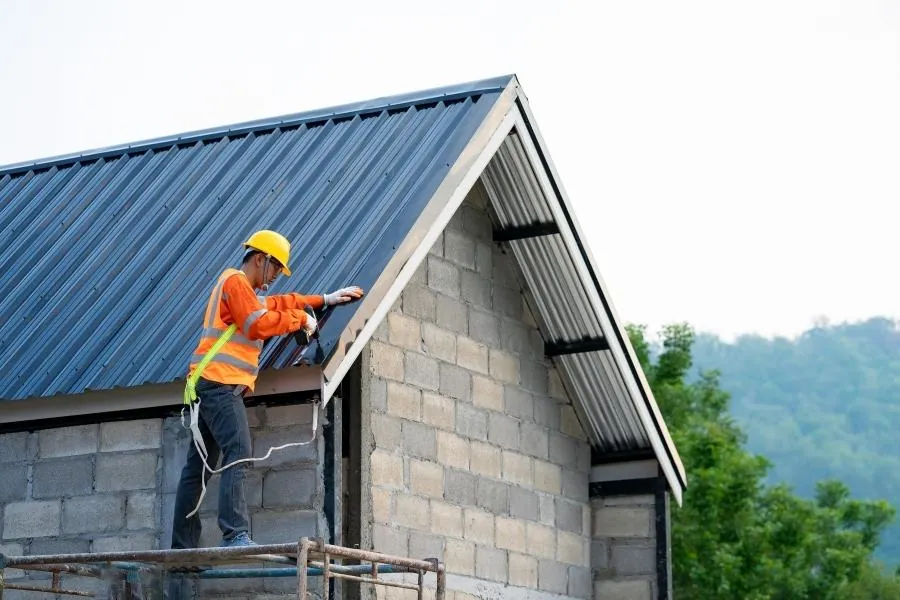
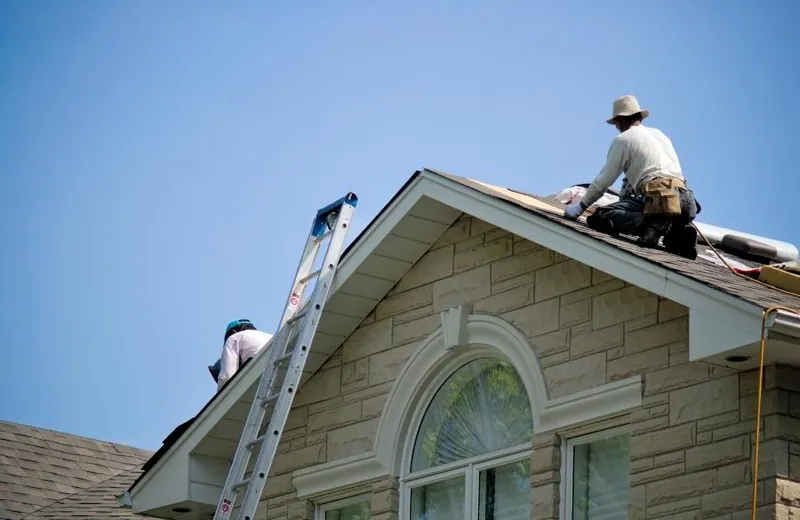
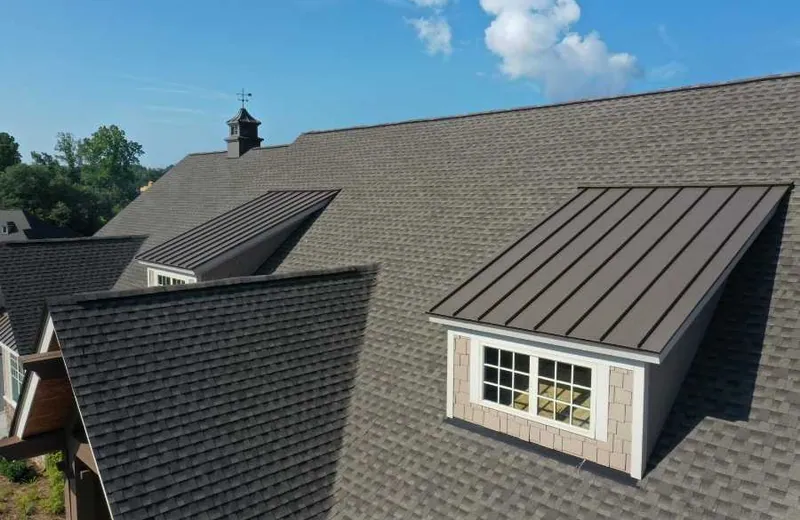
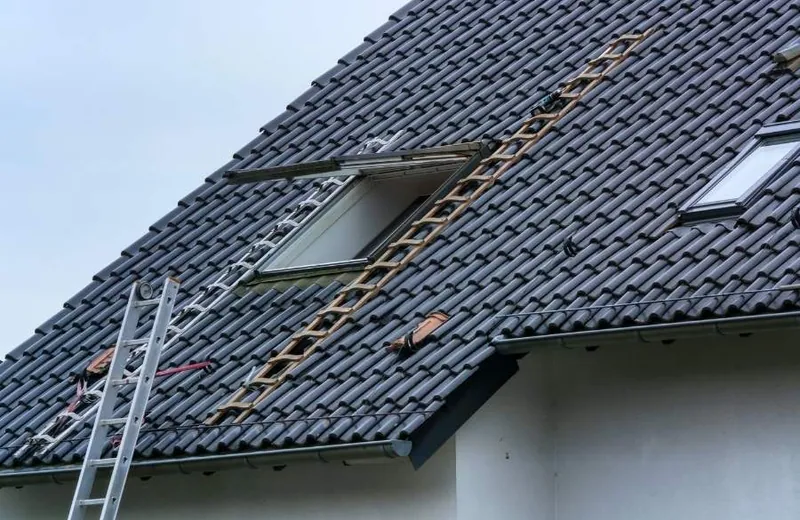
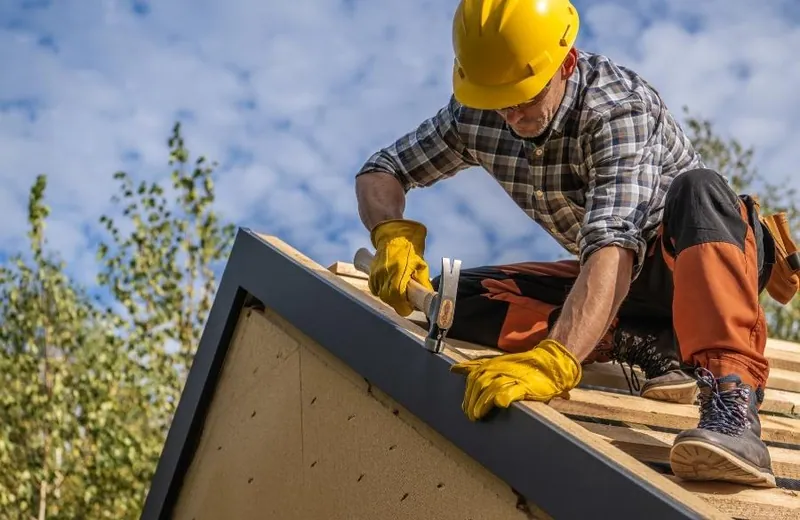
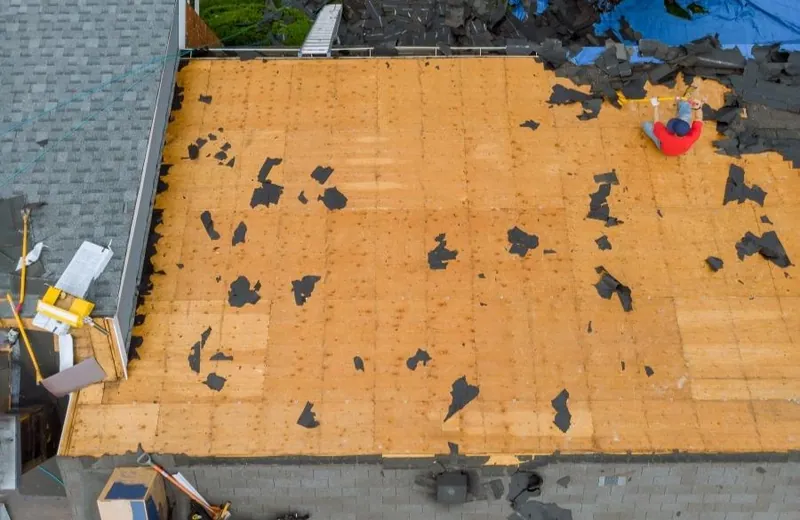
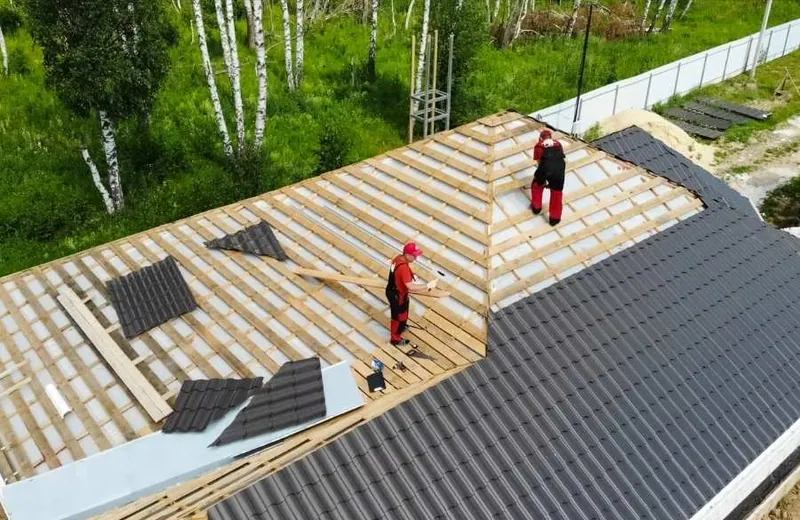
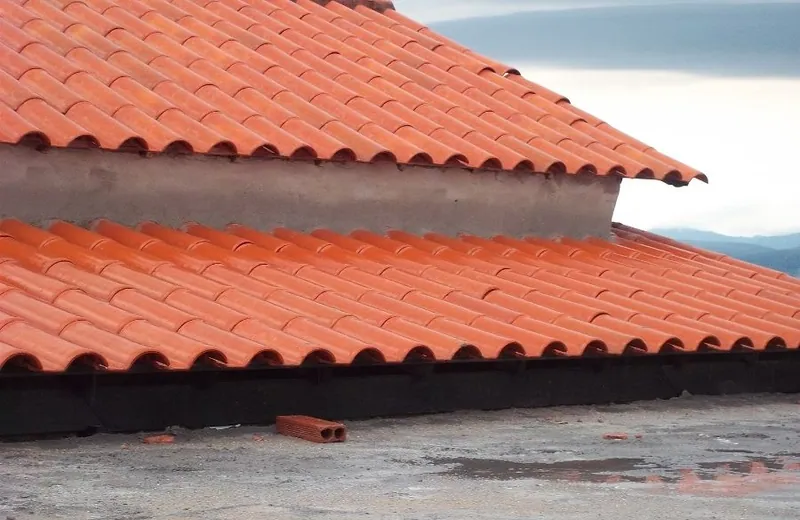
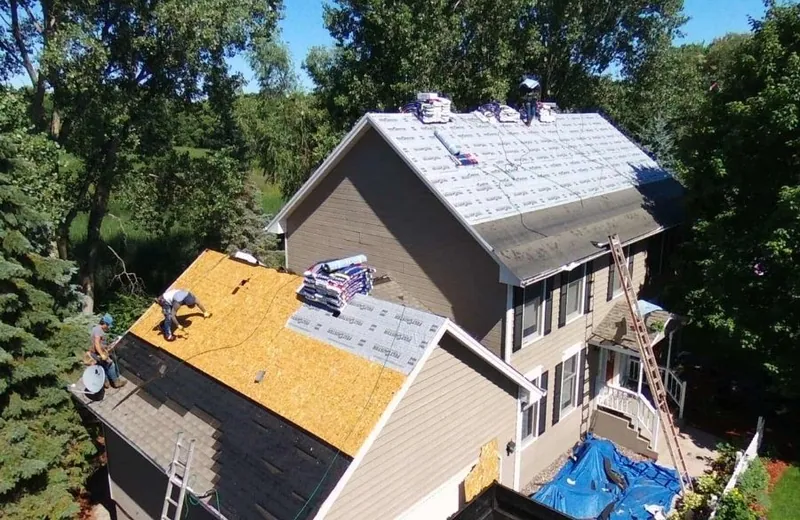
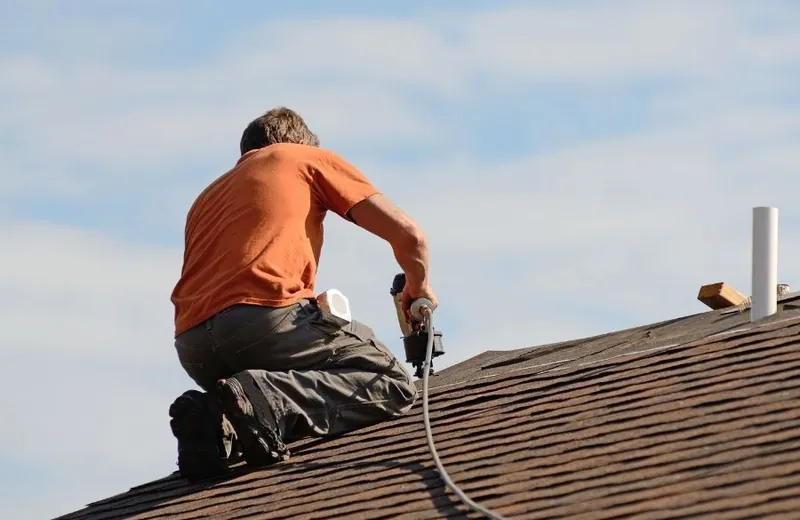
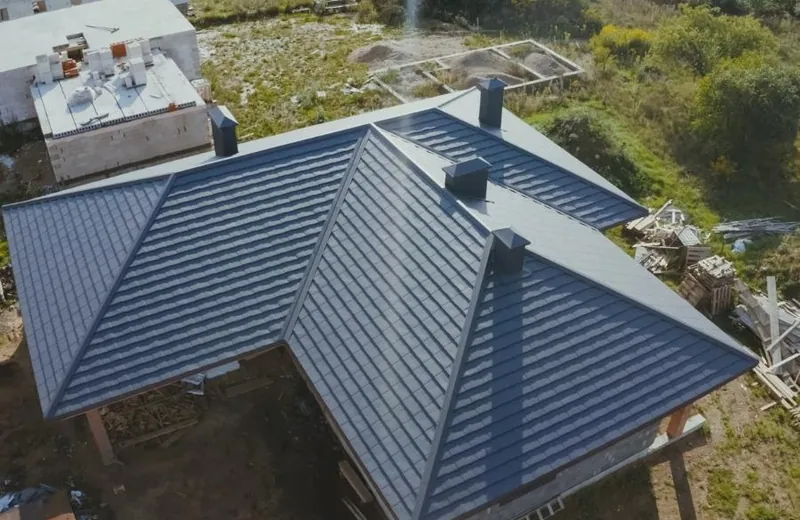
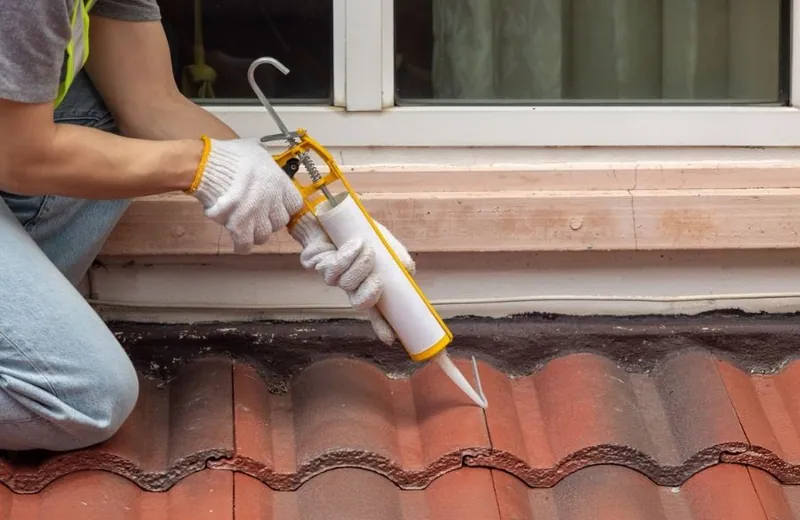
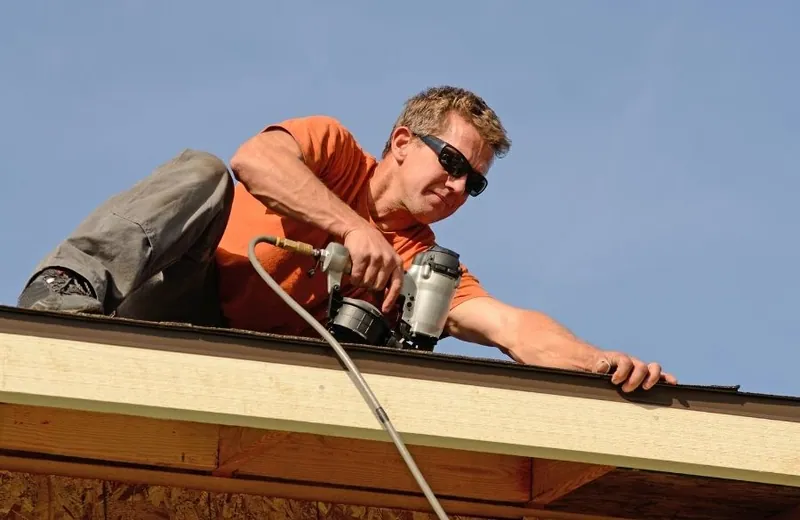
Recent roofing Projects in Boynton Beach, FL
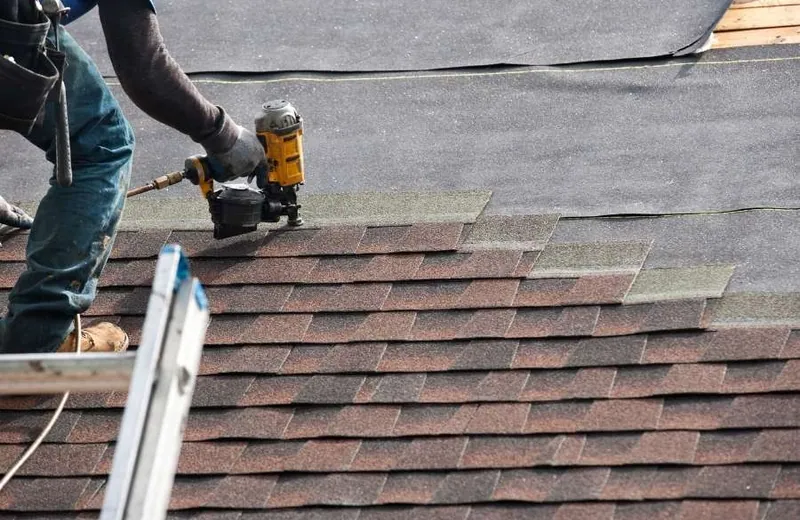
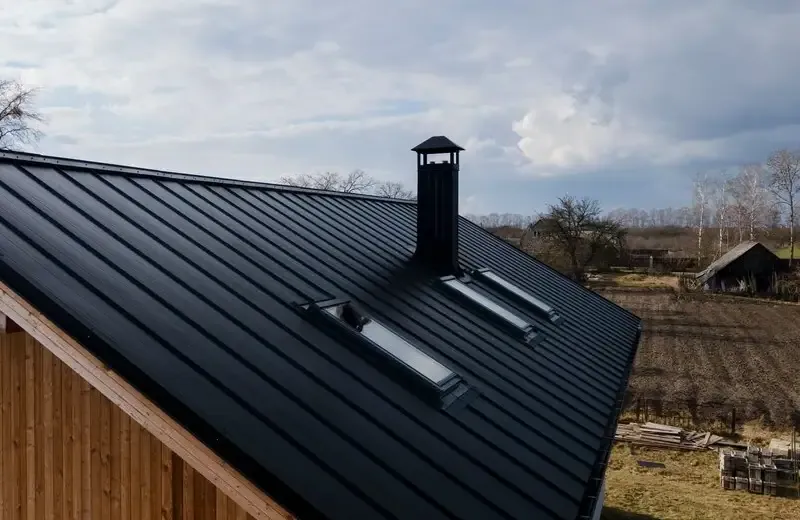
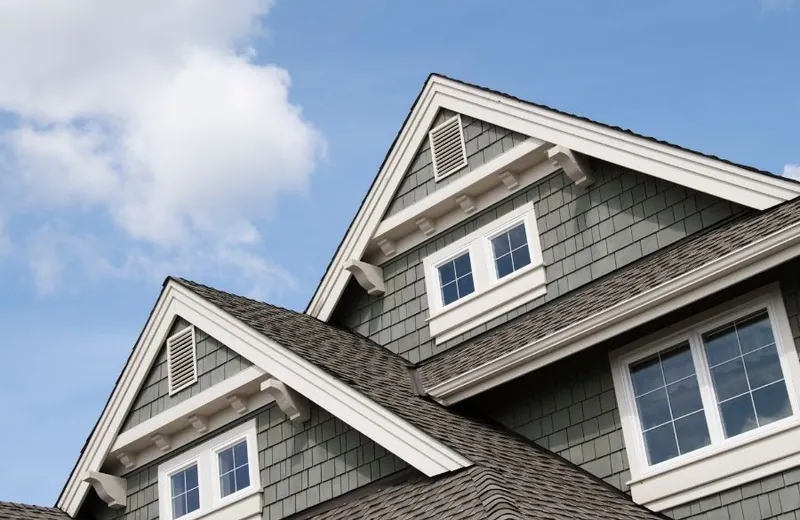
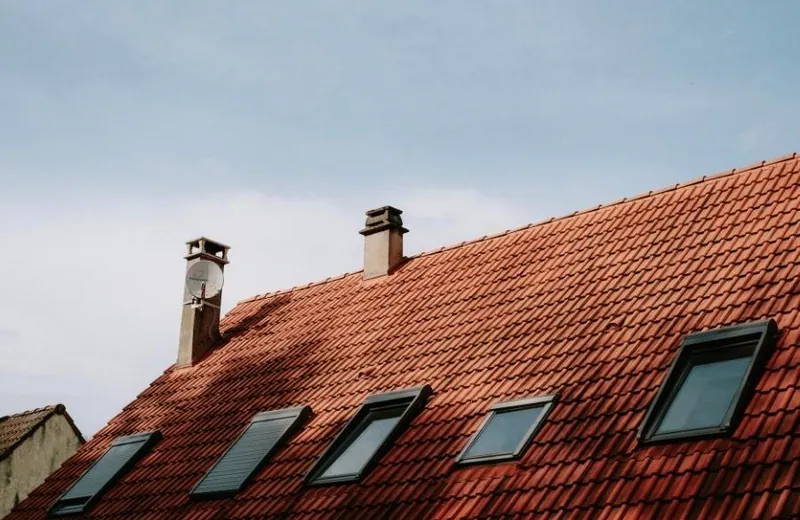
Boynton Beach Roofing FAQs
How much does a new roof cost in Boynton Beach?
Most full re-roofs on a typical 2,000–2,500 sq ft Boynton Beach home cost somewhere between about $15,000 for architectural shingles and $70,000 or more for clay tile or coastal-grade standing seam metal. Concrete tile usually falls in the middle-to-upper part of that range. Repairs typically run $400 to $2,500. The biggest variables are material, roof complexity, how much rotted decking turns up, and the code upgrades older homes need, such as deck re-nailing and a secondary water barrier. We give you a written, itemized proposal after the inspection, and financing is available.
How long does a roof replacement take?
Most single-family re-roofs take a few days to two weeks once work starts. Tile takes longer than shingles because of extra inspection steps and the time needed to set each tile. Before that, expect roughly one to four weeks for permits and any HOA approval, depending on the jurisdiction and when the board meets. Weather matters too. We plan tear-offs around afternoon thunderstorms, dry in each section the same day, and adjust the schedule when tropical systems threaten. Condo association projects are phased and take longer.
Do I need a permit to repair or replace my roof in Boynton Beach?
Yes, re-roofs and most roof repairs need a permit. Inside city limits, it comes from the City of Boynton Beach Building Division. Unincorporated areas like Canyon Lakes and Valencia go through Palm Beach County, and towns like Ocean Ridge, Gulf Stream and Delray Beach have their own building departments. Jobs over about $2,500 also need a Notice of Commencement recorded with the county clerk. Every product must have Florida Product Approval. We handle the permit, the notice and every inspection, so you don't have to deal with the paperwork.
My insurance company says my roof is too old. What should I do?
Under SB 2-A, insurers can't refuse to write or renew a policy just because the roof is less than 15 years old. Roofs older than that often need a roof inspection or 4-point inspection, and Citizens looks closely at roof age. Start with a professional inspection that documents the roof's actual condition. Some roofs only need repairs to pass, and others really are at the end of their life. If you replace, a code-compliant roof with documented deck attachment and a secondary water barrier can also earn wind mitigation credits on form OIR-B1-1802.
Can I repair part of my roof, or does code force a full replacement?
It depends on when your roof was built. Since the 2022 changes to the old '25% rule,' if your existing roof was built under the 2007 Florida Building Code or later, generally only the repaired section has to meet current code, so a partial repair is often fine. Older roofs can still be pushed into full replacement when a large share is damaged. We'll check the permit history and the roof's condition and tell you honestly which option fits.
How can I make my roof last longer in South Florida's climate?
Get the roof inspected once a year, ideally in May before hurricane season. Keep gutters, valleys and flat-roof scuppers clear so wet-season downpours drain. Keep people off tile roofs unless they know where to step, since A/C and satellite techs crack a lot of tiles. Near the coast, replace rusting flashing and pipe boots before they let water in. Good attic ventilation lowers the heat that cooks underlayment, and reflective coatings can extend the life of suitable flat roofs. Treat algae and mildew gently, and never pressure-wash at high pressure.
When should I call a roofer instead of waiting?
Call right away if you have an active leak, a ceiling stain that grows after storms, missing or displaced tiles or shingles after high wind, or a tree limb on the roof. These problems get worse with every afternoon thunderstorm, and wet decking starts rotting quickly in our heat. Schedule an inspection soon if your tile roof is more than 20 years old, your shingle roof is nearing 15, your insurer has asked about the roof, or you see rust streaks, curling shingles or standing water on a flat section. Catching it early usually costs far less.
Tile, metal or shingle: which roof is best for my Boynton Beach home?
Each has a place. Concrete and clay tile is the local standard, often required by HOAs, and the tile itself can last 40+ years, though the underlayment needs replacing at around 20–25. Standing seam metal handles wind well, reflects sunlight and works well near the coast with marine-grade alloys. Architectural shingles cost the least up front but often last only 12–18 years under Florida UV. We'll weigh your budget, HOA rules, salt exposure and insurance goals and recommend the best fit.
Serving Boynton Beach, FL & Nearby
Schedule Your Boynton Beach Roof Inspection Before the Next Storm
Whether it's a leak after an afternoon storm, an insurer asking about your roof, or an HOA-approved tile replacement, we'll tell you exactly what your roof needs.
- ✓A thorough inspection with photos of everything we find
- ✓A written, itemized proposal with repair and replacement options
- ✓A roof built to current Florida Building Code wind requirements
- ✓Permits, Notice of Commencement and HOA approvals handled for you
- ✓Photo updates throughout your project
- ✓Wind mitigation documentation for your insurance company
- ✓Financing available
⚡ Storm damage or an active leak? Call now for emergency roof tarping and repairs to keep water out until a permanent fix is in place.
Bonded • Insured